What this site is: an independent travel guide to Singapore, written from published sources. It is not a tourism board, a travel agency or a food magazine, and it does not take bookings. Last updated 19 November 2026.
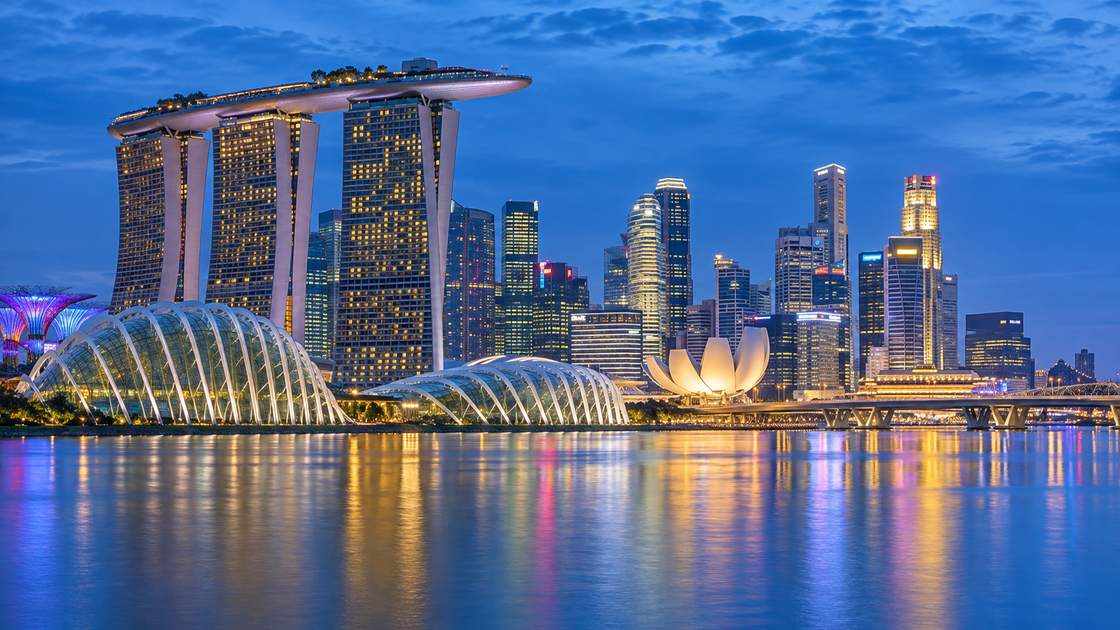
Singapore is a city-state of about 730 square kilometres at the southern tip of the Malay Peninsula. In a few days visitors can eat their way through hawker centres, walk through gardens and old shophouse streets, and spend a day on the beaches of Sentosa. This guide gathers the basics in one place, with links to official sources.
Many visitors combine Singapore with Thailand. Bangkok is about two and a half hours from Singapore by direct flight, and Bangkok is one hour behind Singapore time. Travellers heading on to Thailand can use ThailandWiki, a luxury travel guide to the country.
It’s the best place for lovers of food, art, architecture, music festivals, and nature.
Start here
- Singapore for food lovers: hawker centres, signature dishes and how to order.
- Sentosa Island: its history, beaches and how to get there.
- 18 tourist attractions in Singapore: the best-known sights.
- Travel requirements: what to check before you fly.
- Cost of living in Singapore: what things cost.
- The education system in Singapore: how schools and universities are organised.
Singapore at a glance
- Languages: English, Malay, Mandarin and Tamil are the four official languages, and English is widely used.
- Currency: the Singapore dollar (SGD). Cards and contactless payment are accepted almost everywhere, though some hawker stalls prefer cash or local QR payments.
- Weather: hot and humid all year, with short, heavy showers. Carry an umbrella and dress lightly.
- Time zone: UTC+8, one hour ahead of Bangkok.
Food first
Hawker culture is central to life in Singapore. In December 2020 “Hawker Culture in Singapore” became the country’s first entry on UNESCO’s list of the Intangible Cultural Heritage of Humanity, and there are now 121 hawker centres across the island (NEA, Ministry of Sustainability and the Environment). Our food guide explains what to order and how hawker centres work.
Islands and green spaces
Sentosa, once a British military island called Pulau Blakang Mati, was renamed in 1970 and developed as a resort from 1972 (Roots, National Heritage Board). It is the easiest beach day from the city. Singapore is also known for its gardens, parks and tree-lined streets, which give the dense city a lot of shade.
Getting around
Singapore is compact and its MRT trains and buses are clean, frequent and easy to use. Most visitors can pay with a contactless bank card. Taxis and ride-hailing apps fill the gaps late at night.
About this guide
Every guide here is based on published sources, which are linked in the text. Pictures are illustrations. Read more on the about page.